
- Home
- About us
- Products
- Product Catalog
- Stadium Athletics Track
- Artificial Grass
- College | University | School Rubber Running Track
- Pickleball Court Flooring
- Kindergarten Synthetic Playing Surfaces
- Sport Court Surface
- Basketball Court Flooring
- Tennis Court Flooring
- Rubber Gym Flooring
- Park Jogging Track Rubber Flooring
- Massage Mat
- Construction Tools
- Faqs
- News
- Certificate
- Contact us
How Much Does It Cost to Build a Running Track? A Complete Cost Guide
publisherDonna
time2026/10/12
- How much does it cost to build a running track? Explore 400m track construction costs, surface materials, installation, drainage, site preparation, and World Athletics certification requirements. Learn how to plan your budget and choose a cost-effective running track solution with NovoTrack.
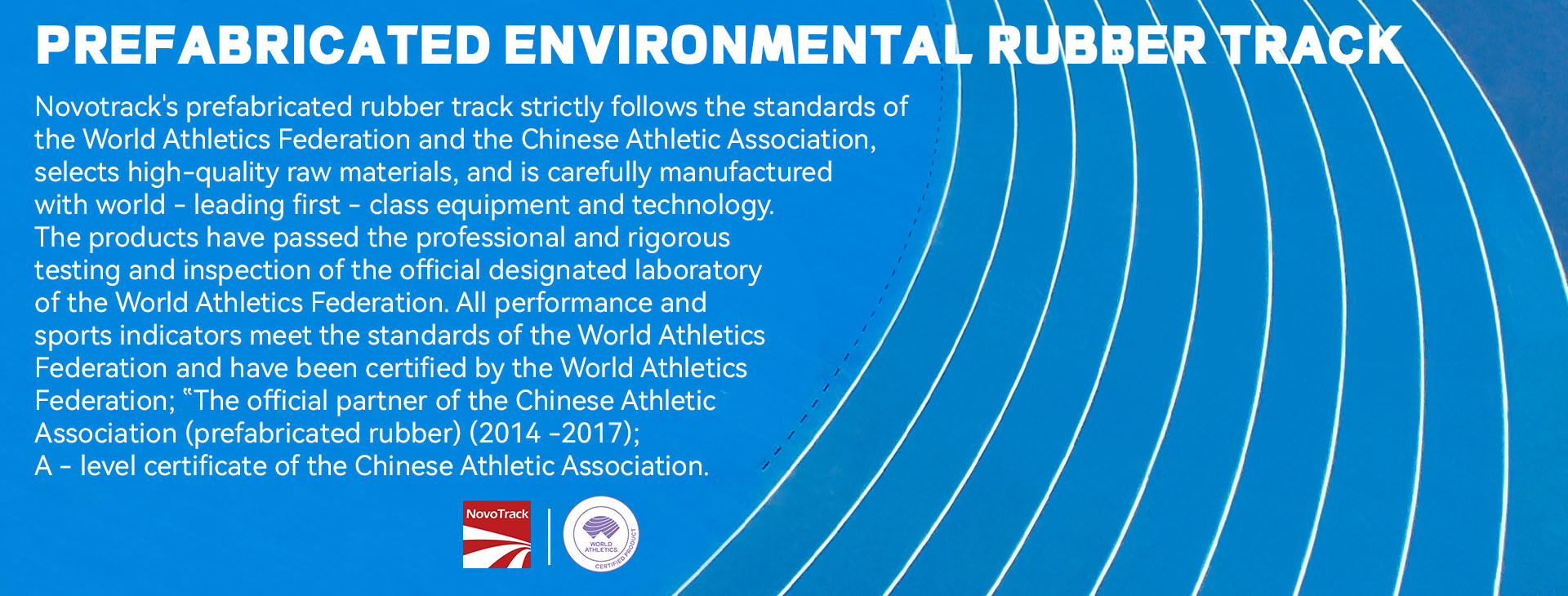
Building a running track is a significant investment for schools, universities, sports clubs, municipalities, and professional stadiums. Before starting a project, one of the most common questions is: How much does it cost to build a running track?
The answer depends on several factors, including track dimensions, the number of lanes, running track surface materials, site conditions, drainage requirements, installation costs, and performance standards.
A small school running track may require a relatively modest budget, while a new 400-meter athletics track designed for international competition can involve substantial civil engineering and surfacing costs.
In this guide, NovoTrack explains the main components of running track construction costs, compares common surface options, and outlines how project owners can plan their budgets more effectively.
1. How Much Does It Cost to Build a Running Track?
The cost of building a running track varies considerably by country, project scope, and technical specifications. For preliminary planning, the following ranges can serve as broad reference points for projects in markets such as the United States. They are not fixed quotations and should not be applied directly to every country.
These figures are broad budgeting estimates, not verified prices for identical specifications. Actual bids can fall outside these ranges. Published US construction estimates, for example, show substantial variation between new construction and renovation projects.
The total budget may include earthwork, drainage, foundation construction, running track materials, installation, line marking, and other site improvements. Stadium lighting, spectator seating, fencing, and field-event facilities may require separate allowances.
Important: Always confirm whether a quoted price covers the running track surface only, the complete track system, or the entire sports facility. These are three very different scopes of work.
2. What Factors Affect Running Track Construction Costs?
Understanding the main cost drivers helps project owners compare quotations accurately and avoid unexpected expenses.
2.1 Track Size and Number of Lanes
Track dimensions directly affect material quantities, installation labor, and the amount of foundation work required.
A smaller school training track generally costs less than a standard 400-meter athletics track. Increasing the number of lanes also increases the surfacing area and may affect the overall site layout.
For a typical 400-meter, eight-lane athletics track, the actual surfaced area depends on the design, lane geometry, run-off areas, and additional event facilities.
Before requesting a quotation, prepare the track layout and confirm the required dimensions, lane count, and event areas.
2.2 Running Track Surface Materials
The choice of running track surface is one of the most important decisions in the project budget.
Common options include:
Polyurethane (PU) running tracks: Widely used for school athletics and competitive sports facilities. Different spray-coated, sandwich, and full-pour systems offer different performance characteristics and costs.
Prefabricated rubber running tracks: Manufactured in factory-controlled conditions and installed on a properly prepared base. These systems can offer consistent surface properties and efficient installation, depending on the product and site requirements.
EPDM rubber systems: Often used for recreational running paths, school activity areas, and other sports surfaces. Suitability depends on the specific system design and intended use.
These systems are not automatically interchangeable. Their performance, installation requirements, maintenance needs, and eligibility for competition certification must be evaluated individually.
When comparing prices, examine the complete system specification rather than choosing a surface based on its material name alone.
2.3 Site Preparation and Foundation
A running track requires a suitable foundation to support the surface and provide stable, consistent performance.
Site preparation may include:
Earthwork and grading
Soil assessment and ground improvement
Sub-base construction
Asphalt or other specified base construction
Drainage and water management
Edge restraints and perimeter details
Existing site conditions can significantly affect the budget. A relatively level site with a suitable foundation may require less preparatory work than undeveloped land with poor soil conditions or inadequate drainage.
For renovation projects, the existing base must be inspected before deciding whether it can be reused.
2.4 Installation Labor and Project Location
Labor costs, contractor experience, equipment availability, and local construction regulations vary by country.
International projects may also involve freight, import duties, customs clearance, inland transportation, accommodation for installation teams, and local subcontracting.
For this reason, a surface price quoted for one country should not be treated as a reliable estimate for a project elsewhere.
3. Running Track Construction Cost Breakdown
A complete running track project typically consists of several cost components.
Not every project requires every item, and some costs may already be included in a contractor's quotation.
To make a fair comparison, ask each supplier to identify inclusions, exclusions, quantities, unit prices, and any provisional allowances.
4. New Running Track Construction vs. Resurfacing
If an existing track is deteriorating, resurfacing may be more economical than building a completely new facility.
New Construction
A new track project may require the complete sequence of site preparation, foundation construction, drainage installation, surfacing, and line marking.
This option is appropriate when no suitable track base exists or when the existing site cannot meet the new project's technical requirements.
Running Track Resurfacing
Resurfacing may reduce costs when the existing foundation remains structurally sound and suitable for the proposed system.
However, the surface should not be replaced before assessing the condition of the base, drainage, cracks, settlement, and other underlying problems.
If major structural repairs are necessary, the savings from resurfacing may be reduced.
The best approach is to inspect the existing facility before deciding between renovation and complete reconstruction.
5. How to Choose a Cost-Effective Running Track Surface
The lowest initial price does not always represent the best long-term investment.
When evaluating running track materials, consider the following factors.
Durability and Service Life
Evaluate the product's resistance to wear, environmental exposure, and the expected intensity of use. Request documented performance information and relevant project references.
Sports Performance
For athletics facilities, assess shock absorption, vertical deformation, slip resistance, and other applicable performance requirements.
Maintenance Requirements
Ask about routine cleaning, inspection, repairs, and the availability of replacement materials. Maintenance requirements vary by surface system and operating environment.
Installation Efficiency
Factory-manufactured prefabricated systems may offer advantages in manufacturing consistency and on-site installation planning. Actual installation time depends on site readiness, weather, logistics, and the project specification.
Warranty and Long-Term Value
Compare warranty coverage, exclusions, maintenance obligations, and the supplier's ability to provide technical support.
A meaningful cost comparison should consider the initial investment alongside expected maintenance, repairs, and potential resurfacing over the facility's service life.
6. Why Consider a Prefabricated Rubber Running Track?
Prefabricated rubber running tracks are an option for schools, universities, sports complexes, and competition facilities seeking an alternative to conventional liquid-applied systems.
NovoTrack specializes in prefabricated rubber running track surfaces, sports flooring, and related project support.
Potential advantages of a suitable prefabricated system include:
Factory-controlled manufacturing
Consistent product dimensions and surface characteristics
A defined multi-layer surface structure
Installation planning based on manufactured track materials
Options for different project applications and technical requirements
The suitability of any system depends on the selected product, the prepared foundation, installation quality, and the intended use of the facility.
NovoTrack has worked on running track projects in different international markets and offers technical information to help clients evaluate product specifications and project requirements.
For competition projects, buyers should verify the relevant product certification and confirm that the complete facility can meet the applicable requirements.
7. How to Request an Accurate Running Track Quotation
To obtain a useful quotation, provide the supplier with as much project information as possible.
Prepare the following details:
Project location: Country and city.
Track dimensions: Total length, lane count, and available site area.
Track layout: A drawing showing the track geometry and relevant facilities.
Project type: New construction, renovation, or resurfacing.
Surface requirements: Preferred material, thickness, color, and performance specifications.
Foundation condition: Existing base details or proposed civil engineering scope.
Certification requirements: Whether World Athletics certification or another applicable standard is required.
Installation scope: Material supply only or supply with installation and technical support.
Project schedule: Expected start and completion dates.
If a layout is not yet available, preliminary dimensions and photographs of the site may help the supplier begin the discussion.
The more clearly the project scope is defined, the easier it becomes to compare quotations and identify potential cost differences.
9. Plan Your Running Track Project with NovoTrack
Choosing the right running track system starts with understanding the project requirements, available budget, and long-term performance expectations.
NovoTrack provides prefabricated rubber running track solutions for educational institutions, sports facilities, contractors, and project developers. Our team can help review your preliminary requirements and identify the information needed for a project quotation.
To discuss your project, please share your track layout, dimensions, project location, and preferred technical specifications.
Contact NovoTrack to discuss your running track project and request a tailored quotation.
FAQ (Frequently Asked Questions About Running Track Costs)
Q: How much does it cost to build a 400m running track?
A : A complete 400-meter track can cost several hundred thousand US dollars or more than one million dollars, depending on the country, lane count, site preparation, surface system, and facility requirements. A reliable budget requires a defined project scope and site-specific quotation.
Q: How much does running track surfacing cost per square meter?
A : The price depends on the material, thickness, performance requirements, order quantity, shipping, and installation scope. A material-only quotation is not directly comparable with a fully installed system. Request separate material and installation prices where possible.
Q: How long does it take to build a running track?
A : The construction schedule depends on site preparation, foundation work, drainage, weather, material delivery, installation, and any required testing or inspection. A supplier should provide a project-specific schedule after reviewing the drawings and site conditions.
Q: Does a World Athletics-certified surface automatically make a facility certified?
A : No. Product certification and facility certification are different. The completed facility must satisfy the applicable requirements and certification procedures.
Q: Can an existing running track be resurfaced?
A: Yes, if the existing foundation and drainage are suitable for the proposed system. A site inspection is recommended to determine whether repairs, resurfacing, or complete reconstruction is the most appropriate option.
Q: What information is needed for a running track quotation?
A: At minimum, provide the project location, track dimensions, lane count, layout if available, surface requirements, and whether you require materials only or a complete installation service.
Related Products

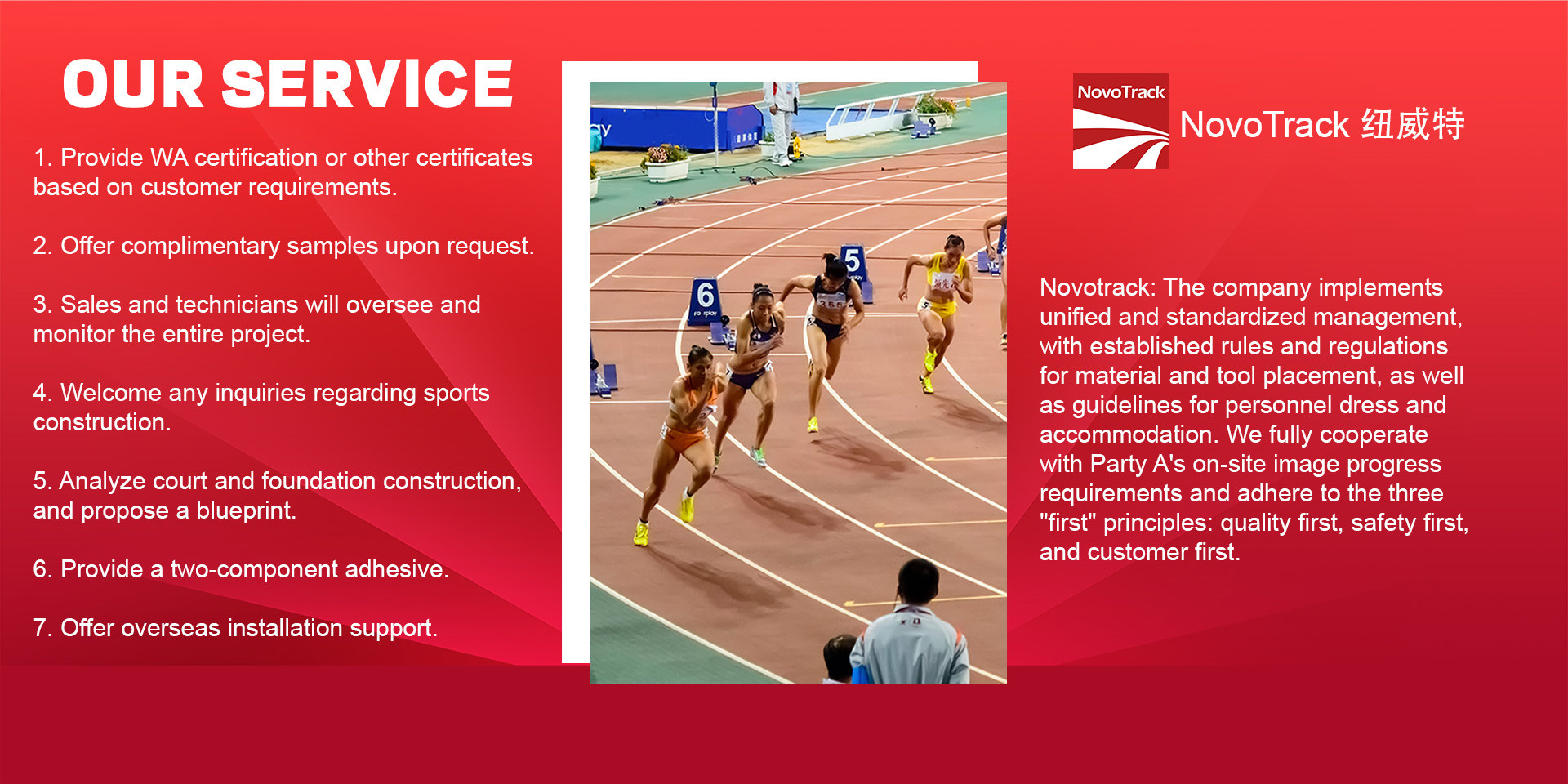
NovoTrack's prefabricated rubber running track strictly follows the standards of the World Athletics.
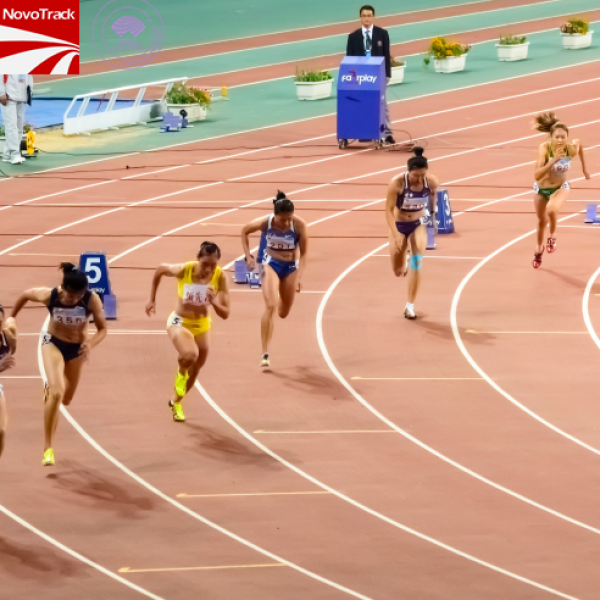
Prefabricated rubber running track flooring is a sports surface paving material specially designed for track and field sports. It's made of natural rubber and synthetic rubber.

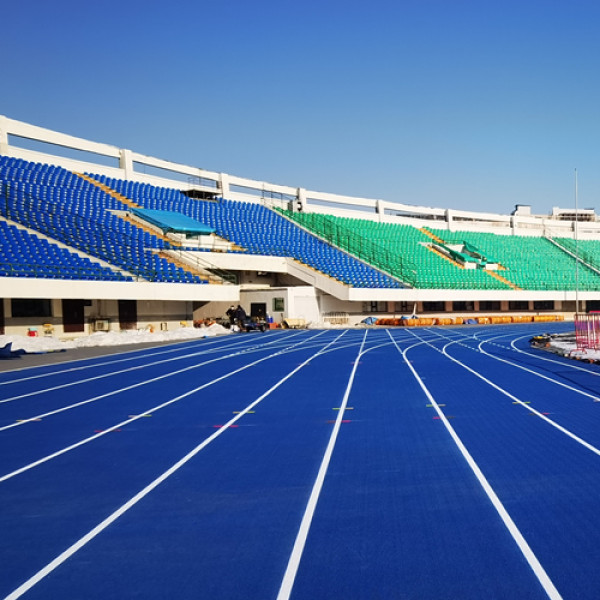
WA rubber running track and field surface, tartan athletics track for stadium,Prefabricated Rubber Running Track.